What to Expect When You Receive Real Estate Cash Offers in Fort Worth
When a house starts feeling like more burden than asset, a cash offer can sound like a lifeline. For many Fort Worth homeowners, that first call or message from a buyer brings a mix of relief and suspicion. The relief is easy to understand. No repairs, no showings, no waiting on a buyer’s lender, no wondering whether the deal will collapse three days before closing. The suspicion is just as normal. Most people have heard enough stories about lowball offers and hidden fees to know that a fast sale can come with trade-offs.
That tension is exactly why it helps to know what a real cash offer looks like, how the process usually works, and where the fine print tends to matter. Fort Worth has a wide range of homes and circumstances, from inherited properties in need of work to rental houses with problem tenants, from storm-damaged roofs to homes that are simply outdated and need a new owner with a bigger renovation appetite. Real estate cash offers show up in all of those situations, but the details matter. A legitimate offer is not just about speed. It is about certainty, condition, pricing, and whether the seller understands what is being exchanged for convenience.
Why cash offers feel different from a traditional sale
A traditional home sale depends on several moving parts lining up at once. The buyer has to qualify for financing. The appraisal has to support the price. The inspection has to be acceptable enough that neither side walks away. Even when everything is going smoothly, there is paperwork, waiting, and the usual tension that comes with hoping a bank does not slow everything down.
A real estate cash offer changes the shape of the deal. The buyer is not waiting on a mortgage approval, which removes one of the biggest sources of delay. That is the main reason homeowners searching for Sell My House Fast in Fort Worth often end up looking at cash buyers first. Speed is the obvious advantage, but certainty is the quieter one. When the buyer already has funds available, the closing timeline often tightens, and the risk of financing falling through disappears.
That said, cash buyers are not all the same. Some are individual investors. Some are local companies with renovation crews and resale plans. Others are wholesalers who intend to assign the contract to another buyer. The offer you receive should reflect who is actually buying, what condition they expect the house to be in, and how much work they believe it needs. In Fort Worth, where older homes and quick-turn properties are common in many neighborhoods, those differences matter more than most sellers realize.
The first offer is usually a starting point, not a final verdict
People often assume a cash offer is a take-it-or-leave-it number. Sometimes it is. Often it is not.
A serious buyer will usually make an initial offer after looking at the property, comparing nearby sales, and estimating repair costs. If the home needs foundation work, roof replacement, HVAC updates, or cosmetic repairs that are bigger than they first appeared, the number can shift after a closer look. That is not automatically a red flag. It is part of how investors price risk. They are trying to account for holding costs, repairs, resale margins, and the possibility that one issue will reveal another.
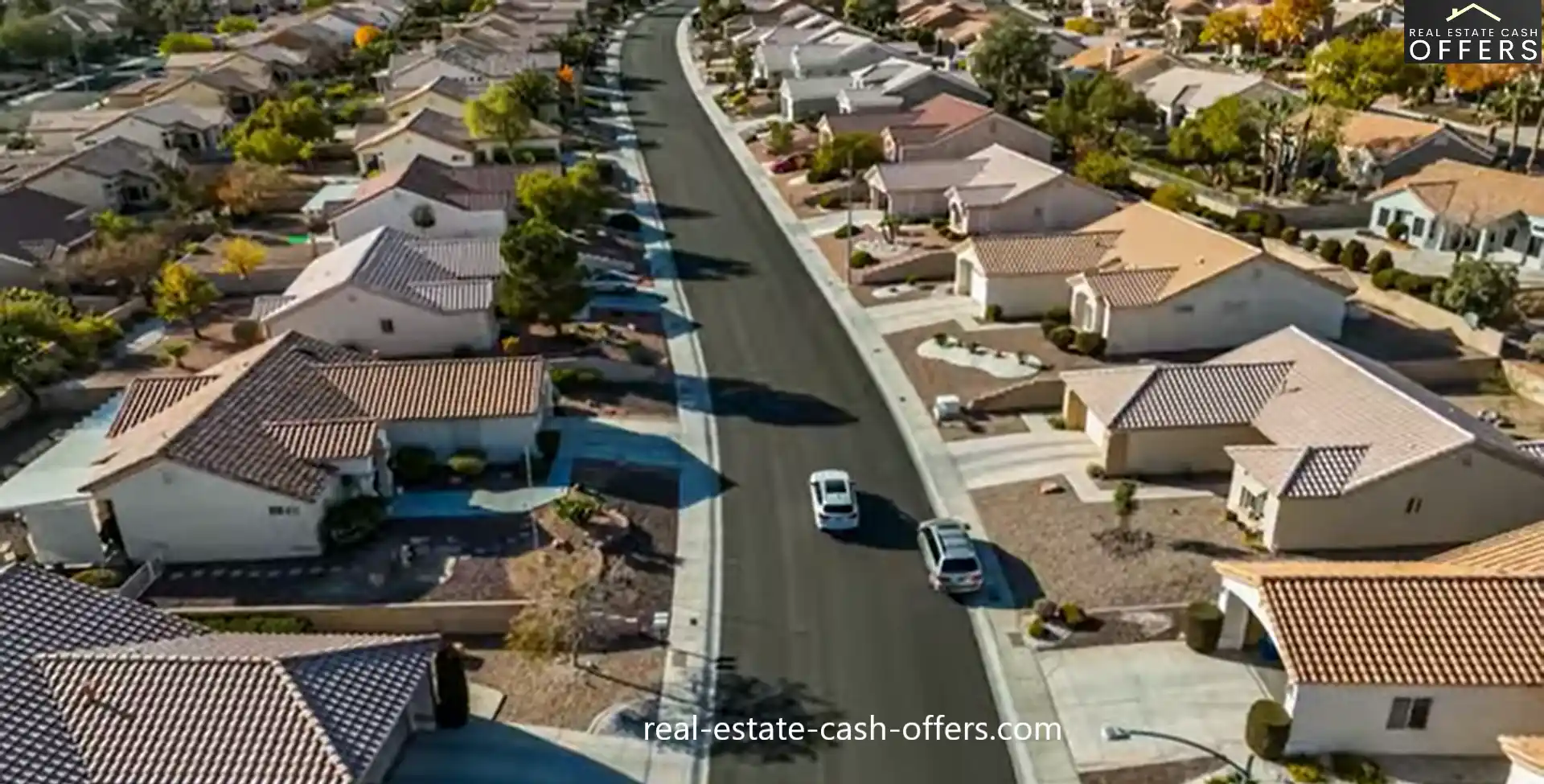
A Fort Worth house with a dated kitchen and worn carpet might get one kind of offer. A similar house with a leaking roof, settlement cracks, and a broken water heater will get another. Cash buyers usually price in the fact that they are taking on those headaches. If the home has been vacant for months or years, or if it has title issues, the number may come down further because the buyer is absorbing more uncertainty.
The important point is to understand the logic behind the offer. A low number is frustrating, but a low number with a clear explanation is more useful than a high number that evaporates after inspection. If a buyer can explain how they arrived at the price, you are dealing with something more substantial than a marketing pitch.
What the process usually looks like
For most Fort Worth sellers, the process starts with a property review. That might mean a quick phone conversation, a few photos, a walk-through, or all three. Buyers want to know the address, general condition, age of the major systems, and whether there are any obvious complications. They are also trying to understand your timeline. Some sellers want to close in a week. Others need thirty to forty-five days because they are coordinating a move, probate matter, or another purchase.
After that, a cash buyer may deliver an offer with a straightforward price and terms. The terms matter as much as the price. A slightly lower offer with no fees, a flexible closing date, and minimal contingencies may be more valuable than a higher number that comes with deductions later.
If you accept, the next step is usually a purchase agreement. Then title work begins. Even cash deals still need a title company to verify ownership, handle paperwork, and prepare closing. Depending on the house, there may be a brief inspection or walkthrough. In many cases, the process is much simpler than a retail listing, but it is not invisible. A legitimate transaction still leaves a paper trail, and that is a good thing.
Fort Worth sellers sometimes expect “cash” to mean “instant.” It can be fast, but fast still has a sequence. Title has to clear. Any liens have to be identified. If the property is inherited, probate or heirship issues may need attention. A solid cash buyer will be familiar with those hurdles and should be willing to explain how they will handle them.
What a serious buyer evaluates before making an offer
A real estate cash offer is rarely based on a single glance. Experienced buyers usually look at the same core items, even if they do it quickly. They want to know about the roof, foundation, plumbing, electrical system, interior condition, and any obvious signs of deferred maintenance. They also pay attention to location, resale demand, and how much time the home might sit before it sells again.
In Fort Worth, older homes can create a wide spread in pricing depending on maintenance history. A house that has been cared for but simply not updated may still attract a decent offer. A house with moisture intrusion, prior fire damage, or structural concerns will not. Investors are calculating not just the cost of repair, but the cost of time. Every extra week they hold the property means taxes, insurance, utilities, and exposure to market changes.
Sellers sometimes take this personally, but the pricing logic is usually mechanical rather than emotional. A buyer is not evaluating your memories or the years you put into the home. They are trying to estimate their total investment. That is why two houses on the same street can receive very different offers. One may need $18,000 in work. The other may need $55,000 and carry a longer resale timeline.
The trade-offs behind speed
Speed has value, but it is never free.
When you accept a real estate cash offer, you are often giving up some portion of the open-market upside. If your house is in strong condition, in a desirable area, and you have time to wait, a traditional listing may bring a higher sale price. That is especially true when buyers can compete for a home that needs little work. A cash buyer is factoring in repairs, risk, and profit, which means the offer usually sits below full retail value.
That is not necessarily a problem. The better question is whether the net result works for you. A seller with a house that needs $25,000 in repairs, plus another few thousand in carrying costs, may discover that the higher retail price is not as attractive as it first appeared. By the time you pay for updates, staging, holding costs, and closing fees, the margin can shrink fast.
This is where cash offers make sense for many Fort Worth homeowners. If the property is inherited, has tenant issues, is behind on maintenance, or simply needs to sell quickly because of relocation or divorce, certainty may be worth more than trying to squeeze out every last dollar. The right answer is not always the highest headline number. It is the offer that leaves you with the best overall outcome.
Red flags that deserve a second look
Not every buyer who says they buy for cash is prepared to close. Some are genuine but inexperienced. Others are wholesalers operating with little room for error. A few are simply trying to lock up properties cheaply and renegotiate later.
One common red flag is a buyer who gives you a number almost instantly without asking meaningful questions about the property. That can be a sign they are guessing or planning to lower the price later. Another warning sign is pressure. If someone insists the offer expires in an hour, wants you to sign before you understand the terms, or avoids answering questions about title, fees, or the closing process, slow down.
You should also be careful if the buyer will not use a reputable title company or offers to move everything off paper. In a legitimate sale, there should be clear documentation. The title company should be independent, and you should understand who is handling funds. A direct buyer, a wholesaler, and a local investment company may all operate differently, but none should resist transparency.
When a seller is trying to Sell My House Fast in Fort Worth, urgency can make bad offers look better than they are. That is why even fast deals deserve a few minutes of scrutiny. A good real estate cash buyers buyer will not resent reasonable questions. They will expect them.
How to compare cash offers without getting lost in the numbers
A cash offer is more than the sale price written at the top of the page. Some buyers include buyer-paid closing costs. Some do not. Some allow you to leave unwanted items behind. Some expect the house to be empty and broom-clean. Some will close in seven days. Others need a few weeks. These differences can change the real value of the deal.
You do not need a complicated spreadsheet to compare offers, but you do need a clear view of the full picture. Ask yourself what each offer actually means after you subtract repairs, fees, moving costs, and time. A $210,000 offer that includes no repairs, no agent commissions, and a closing date that works for you may beat a $220,000 offer that comes with inspection renegotiations and uncertainty.
Sellers are often surprised by how much value is hidden in convenience. If a house has been empty, a fast sale may save you utility bills, insurance exposure, lawn care, and repeated trips to manage the property. If the home has a problem tenant, every month you hold it can cost money and energy. Those soft costs matter, even though they do not appear on the offer sheet.
Situations where cash offers tend to make the most sense
Some properties are simply better candidates for cash offers than others. A home with significant repair needs is an obvious example. So is a property that has been inherited and needs to be cleared out before anyone can even think about listing it traditionally. Homes with title complications, out-of-state ownership, or a fast-moving life event attached to them often benefit from a simpler sale.
In Fort Worth, cash offers also make sense when the seller does not want to invest more money into a property that has already worn out its useful life. A roof replacement, foundation repair, and interior updates can easily push a seller into five-figure territory before the home is ready for the market. For someone who needs liquidity more than top-dollar pricing, that math can be persuasive.
There are also cases where emotional fatigue is the real issue. A house that has sat through a family transition, divorce, or long-distance probate process can feel heavier every month it remains unsold. A cash offer can bring closure, even if it does not maximize the top-line number. That practical relief is part of the real value, though people rarely talk about it enough.
What a smooth closing feels like
When a cash sale goes well, it feels almost surprisingly calm. The title company confirms the details. Documents are signed. Funds are wired or made available according to the closing process. The home changes hands, and the seller moves on without the usual parade of lender paperwork and delayed approvals.
The best cash transactions I have seen were the ones where expectations were clear from the beginning. The seller knew the home’s condition would affect the price. The buyer explained the timeline. The title company handled the closing professionally. Nobody was trying to play games at the last minute. Those deals tend to feel almost boring, which is exactly what a stressed seller wants.
Of course, not every closing is perfect. Sometimes a lien appears unexpectedly. Sometimes heirship paperwork takes longer than expected. Sometimes a seller realizes they need more time to remove belongings. A good buyer builds in room for real life, especially in a market like Fort Worth where properties can have long histories and more complicated paper trails than they first appear to have.
Questions worth asking before you sign
A cash offer becomes much easier to evaluate once you ask the right questions. You want to know who is actually buying, whether there are any fees, how flexible the closing date is, and what happens if title work reveals a problem. You should also ask whether the offer assumes the home will be left as-is, and whether any repairs or cleanup are expected.
Those questions are not a nuisance. They are the difference between a smooth sale and a stressful surprise. If a buyer seems irritated by basic questions, that tells you something. If they answer directly and give you room to think, that tells you something too.
Many homeowners find that once they understand the terms, the decision becomes clearer. A cash buyer with a slightly lower number but fewer headaches may be a better fit than a traditional sale that drags on for months. Another seller may realize the home is worth listing after all. Either outcome is fine. The point is to choose with open eyes.
A practical way to think about the decision
Real estate cash offers are not magic, and they are not scams by default. They are tools. Like any tool, they work best when the problem matches the solution.
If your Fort Worth house is in decent shape, you have time, and you want to test the market, listing conventionally may make sense. If the home needs work, carries uncertainty, or you need a quicker and more certain sale, a cash offer may be the cleaner path. The right answer depends on condition, timeline, and how much hassle you are willing to absorb in exchange for a higher sales price.
That is why the smartest sellers treat cash offers as one option among several, not as a last resort and not as a guaranteed shortcut to the best deal. A strong offer should make the numbers and the process make sense together. When it does, the sale can feel like a clean handoff instead of a drawn-out negotiation.
Fort Worth homeowners see these offers for all kinds of reasons, and the best ones are rooted in honesty about what the house is, what it needs, and what the seller actually wants. If speed, certainty, and simplicity matter more than squeezing every dollar out of the market, a cash offer can be a very good fit. If not, it still helps to understand how the process works, because even the best traditional sale starts with the same basic question: what is this property really worth, given its condition and the path it will take to close?
Real Estate Cash Offers
+1 (682) 402-6461
[email protected]
Website: https://real-estate-cash-offers.com/